Essential Home Inspection Tips for First-Time Buyers
- surestepinspection3
- Apr 20
- 4 min read

Buying your first home is an exciting milestone, but it can also be overwhelming. One of the most crucial steps in the home-buying process is the home inspection. This step can save you from costly repairs and ensure that your new home is safe and sound. In this blog post, we will explore essential home inspection tips that every first-time buyer should know.
Understanding the Importance of Home Inspections
A home inspection is a thorough examination of a property's condition, typically conducted by a professional inspector. The purpose of this inspection is to identify any issues that may not be visible during a casual walkthrough. Here are some reasons why home inspections are vital:
Uncover Hidden Problems: Many issues, such as plumbing leaks or electrical problems, may not be visible during a standard showing. A home inspection can reveal these hidden problems.
Negotiate Repairs: If the inspection uncovers significant issues, you can negotiate repairs or a lower price with the seller.
Peace of Mind: Knowing the condition of your new home can provide peace of mind and help you make an informed decision.
Choosing the Right Home Inspector
Selecting a qualified home inspector is crucial for a successful inspection. Here are some tips for finding the right professional:
Check Credentials: Look for inspectors who are certified by recognized organizations, such as the American Society of Home Inspectors (ASHI) or the International Association of Certified Home Inspectors (InterNACHI).
Read Reviews: Check online reviews and ask for recommendations from friends or family who have recently purchased homes.
Ask Questions: Don't hesitate to ask potential inspectors about their experience, inspection process, and what they will cover during the inspection.
Preparing for the Home Inspection
Preparation is key to a successful home inspection. Here are some steps you can take:
Be Present: If possible, attend the inspection. This allows you to ask questions and gain a better understanding of the property's condition.
Provide Access: Ensure that the inspector has access to all areas of the home, including the attic, basement, and crawl spaces.
Gather Documentation: Have any relevant documents ready, such as previous inspection reports or warranties for appliances.
What to Expect During the Inspection
Understanding what happens during a home inspection can help you feel more comfortable. Here’s a breakdown of the process:
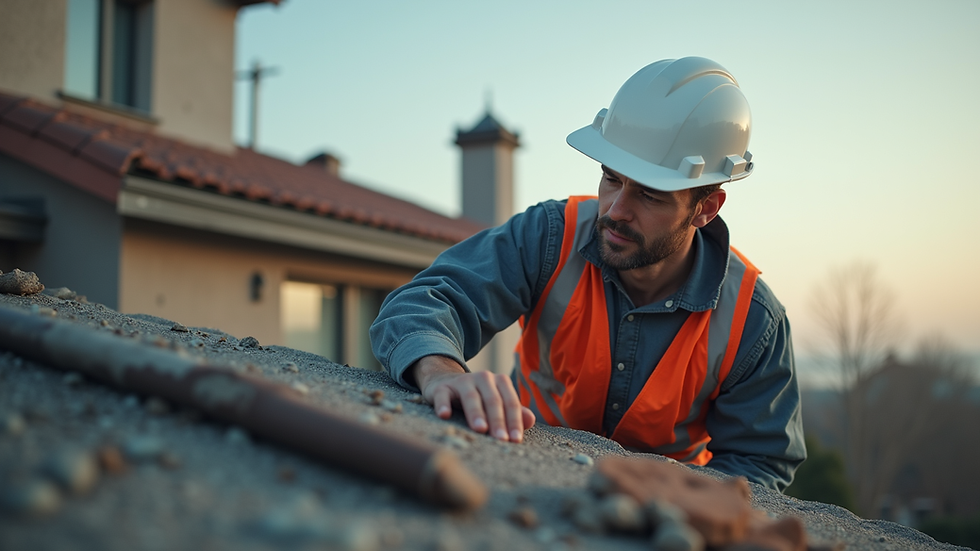
Exterior Inspection: The inspector will examine the roof, siding, windows, and foundation for any signs of damage or wear.
Interior Inspection: Inside the home, the inspector will check the plumbing, electrical systems, HVAC, and appliances.
Safety Concerns: The inspector will look for safety issues, such as the presence of mold, radon, or carbon monoxide.
Common Issues Found During Home Inspections
Being aware of common issues can help you know what to look for. Here are some frequent problems that inspectors often find:
Roof Damage: Missing shingles, leaks, or signs of wear can indicate the need for repairs or replacement.
Plumbing Issues: Leaks, outdated pipes, or poor water pressure can lead to significant problems down the line.
Electrical Problems: Outdated wiring, insufficient outlets, or faulty circuits can pose safety hazards.
Understanding the Inspection Report
After the inspection, you will receive a detailed report outlining the findings. Here’s how to interpret it:
Prioritize Issues: Not all issues are equal. Focus on major concerns that could affect safety or require immediate repairs.
Seek Clarification: If you don’t understand something in the report, ask the inspector for clarification.
Use it as a Tool: The report can be a valuable negotiation tool when discussing repairs or price adjustments with the seller.
Negotiating Repairs or Price Adjustments
Once you have the inspection report, you may need to negotiate with the seller. Here are some strategies:
Be Reasonable: Focus on significant issues that need addressing rather than minor cosmetic concerns.
Get Estimates: If possible, obtain repair estimates to present to the seller. This can help justify your requests.
Be Prepared to Compromise: Understand that negotiations may require some give-and-take. Be open to solutions that work for both parties.
When to Walk Away
Sometimes, the inspection report may reveal issues that are too significant to overlook. Here are signs it may be time to walk away:
Major Structural Problems: Issues with the foundation or roof that require extensive repairs can be costly and time-consuming.
Hazardous Materials: The presence of mold, asbestos, or lead paint can pose serious health risks and may require professional remediation.
Costly Repairs: If the estimated repair costs exceed your budget or the value of the home, it may be wise to consider other options.
Final Thoughts
A home inspection is a critical step in the home-buying process, especially for first-time buyers. By understanding the importance of inspections, choosing the right inspector, and knowing what to expect, you can make informed decisions that protect your investment. Remember, a thorough inspection can save you from unexpected surprises and ensure that your new home is a safe and sound place to live.
As you embark on your home-buying journey, keep these essential tips in mind. Take the time to prepare, ask questions, and advocate for yourself during negotiations. Your future home is worth the effort!


Comments